Healing Grain — Original Kala Namak Rice from Siddharthnagar
Kala Namak is a traditional, non-hybrid, long-duration (160–180 day) aromatic rice native to Siddharthnagar, Uttar Pradesh — now disappearing as farmers shift to hybrid varieties. Healing Grain exists to save it, growing it on the Pathak family’s own land beside the equally threatened Gauri–Rapti wetland, and selling small seasonal batches to households across India — rated 5.0★ on Google from 42 reviews.
हर आदमी के अंदर एक गाँव होता है —
जो शहर नहीं होना चाहता।
Inside every person lives a village that quietly resists becoming a city.
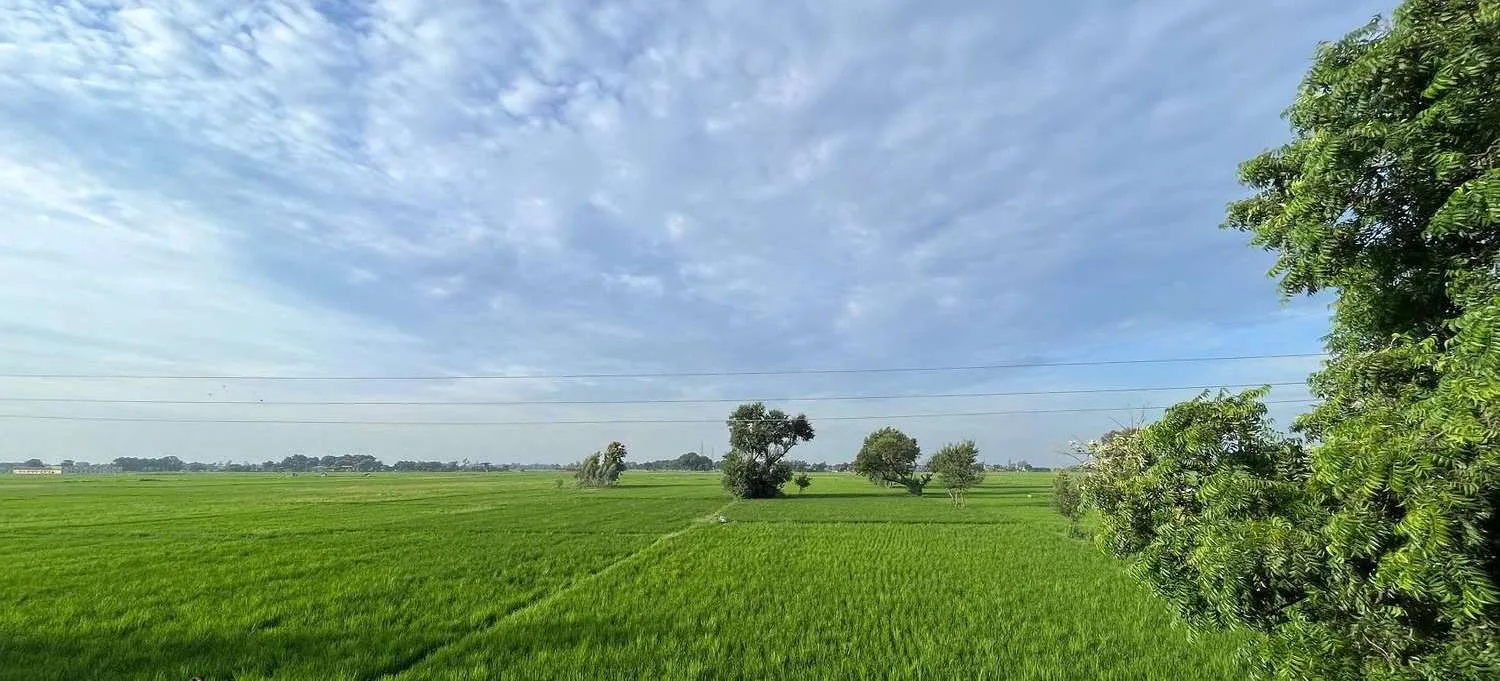
Healing Grain is a slow farming initiative rooted in Village Gauri, Siddharthnagar — where traditional
G.I.-tagged Kala Namak rice
grows beside the Gauri–Rapti wetland, one of eastern Uttar Pradesh’s last living floodplain landscapes.
Original Kala Namak Rice
Small harvest batches • Direct from Siddharthnagar
Native long-duration rice grown slowly in the wetland belt of eastern Uttar Pradesh — minimally processed to preserve its natural aroma and character.
Rooted in Siddharthnagar • Trusted in homes across India
Demand this year outran our stock — a few orders couldn’t be fulfilled. You can order what’s left, or enquire about your year’s supply ahead of our January 2027 harvest.
Take your time — understand the grain, and choose only if it feels right.
Before buying Kala Namak rice, it helps to understand its real story — its origin in Siddharthnagar, the difference between traditional and hybrid varieties, and how to identify authentic grain.
Read the Complete Kala Namak Rice Guide →
You can also explore our broader work around traditional grains from this region:
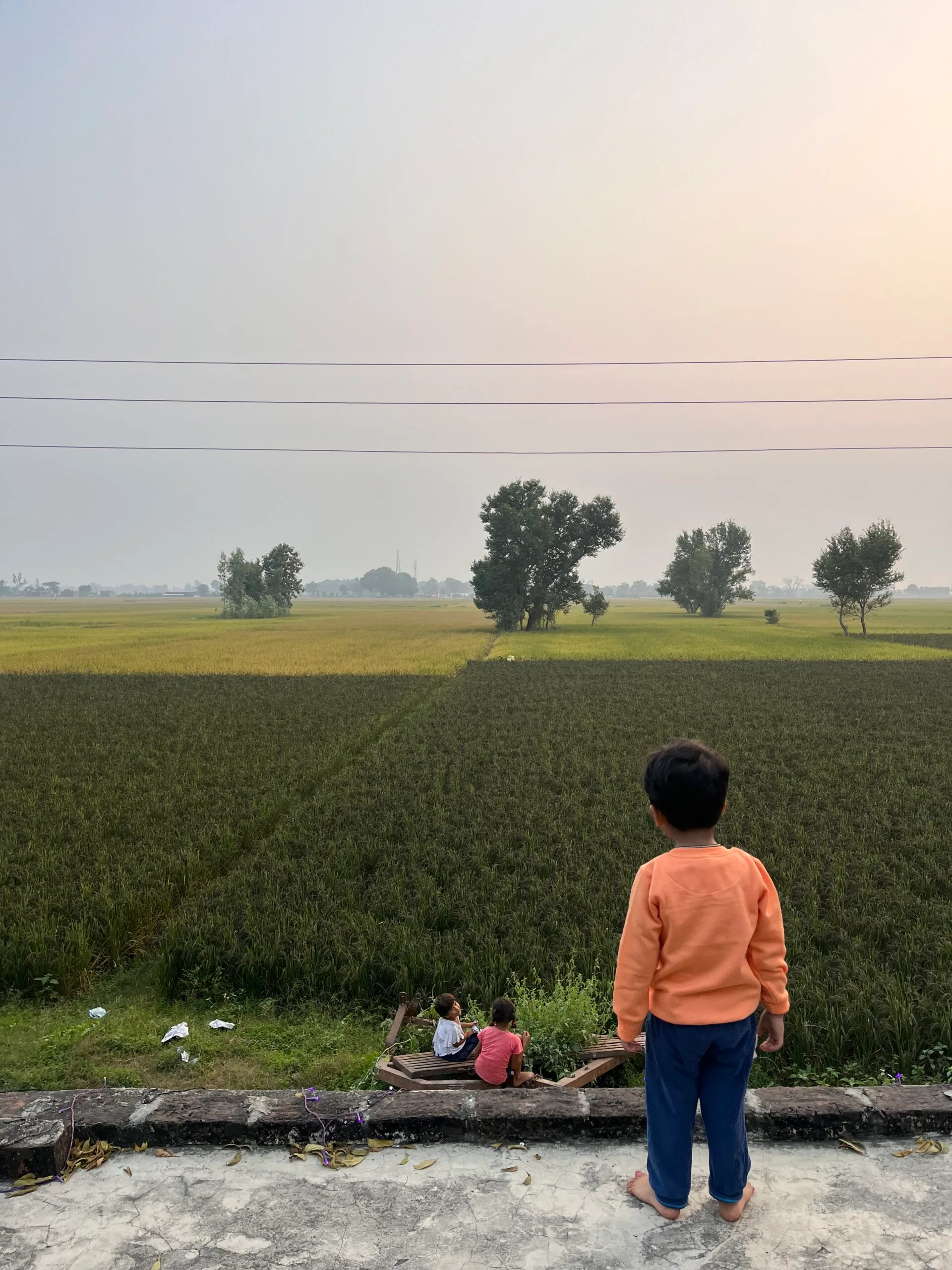
Grown slowly from low-yield native seed in the wetland soils of Siddharthnagar.
What Is Healing Grain
Healing Grain is not a company in a hurry. It exists for one reason above all: to keep the native, long-duration Kala Namak rice variety from disappearing — and, alongside it, to protect the Gauri–Rapti wetland it has always grown beside, which is disappearing just as quietly.
Most of our work currently revolves around growing this native low-yield rice in Siddharthnagar using slower cultivation cycles and small seasonal batches — selling what we harvest so the effort, and the wetland conservation work alongside it, can keep going.
This didn’t start as a business plan. It started with a family, a village, and land nobody wanted to let go of.
Over time, Healing Grain also hopes to evolve into a small rural experience space — where people can walk through fields, understand traditional grains, observe wetland ecology and reconnect with slower forms of living.
The Land Around The Grain
Kala Namak rice has always grown beside water.
The Gauri–Rapti wetland — a floodplain landscape spread across nearly 1,000 acres — replenishes these soils every monsoon.
Sarus cranes nest here. Migratory birds pass through seasonally. Water rises and retreats with the rhythm of the year.
This is not scenery around the grain.
It is part of why the grain became what it is.
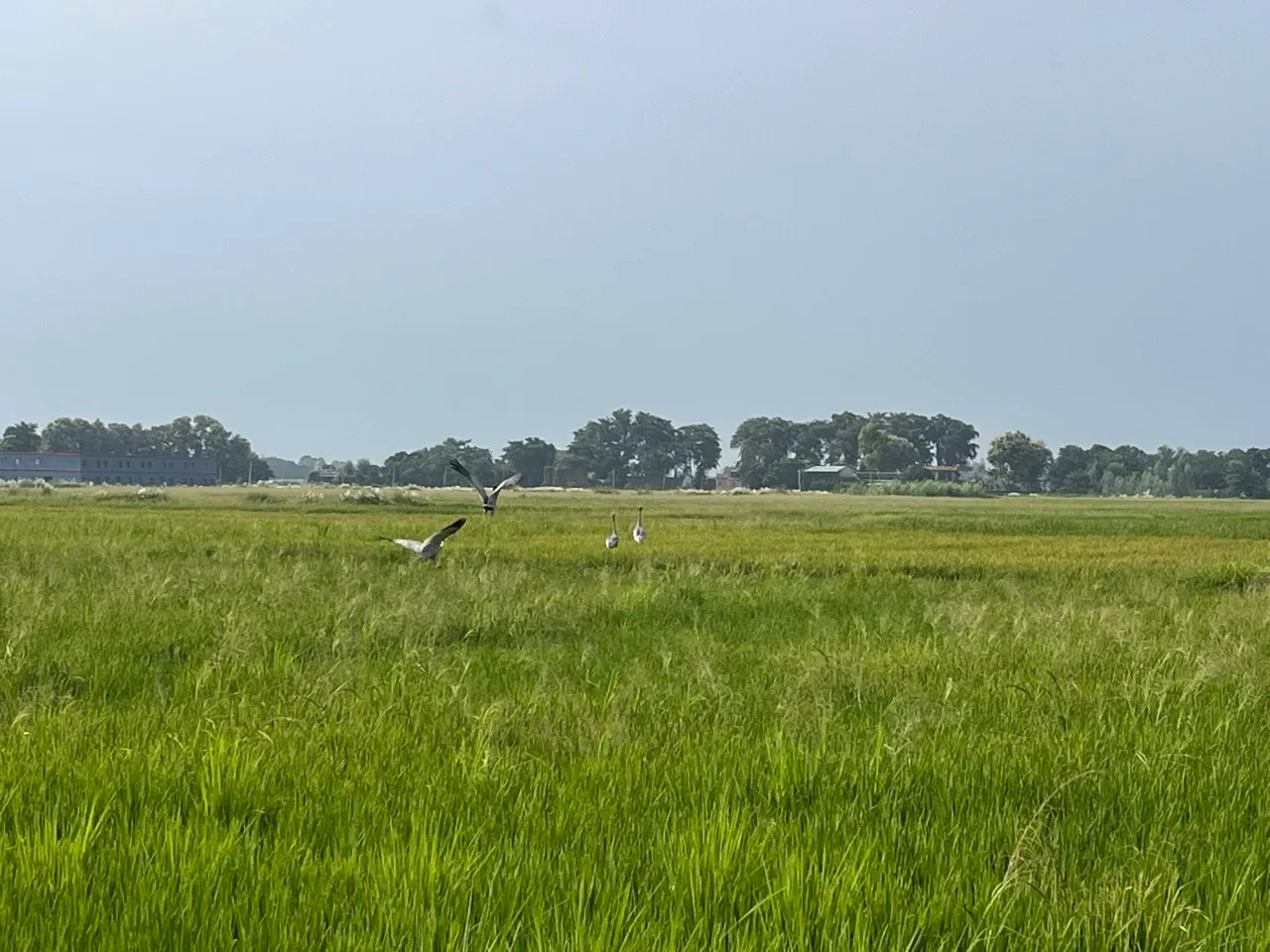
Sarus cranes nesting beside the Gauri–Rapti floodplain. Work to preserve this ecological landscape is gradually underway.
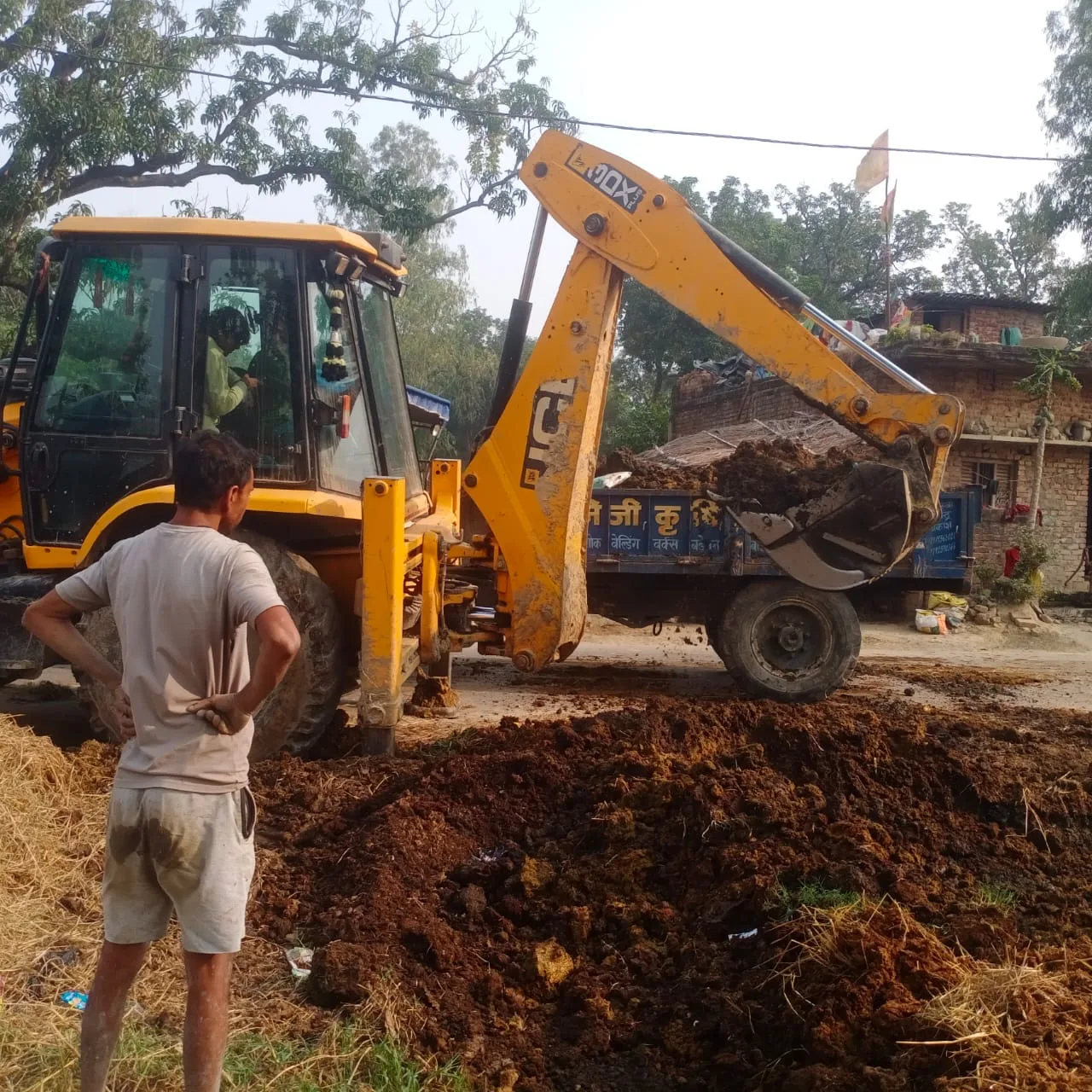
Moving gradually toward cleaner cultivation through compost-based soil care.
Who This Is For
This is for the person who reads ingredient labels. Who asks where things come from. Who understands that a crop grown slowly — in real soil, beside living water — is not the same as one that merely looks identical.
Fair to the farmer. Fair to the consumer.
Explore Further
→
Order Rice / Enquire About 2027 Harvest →
→
Black Wheat (Atta, Dalia & Raw Grain) →
→
Complete Kala Namak Rice Guide →
→ Wetland Conservation — page coming soon